
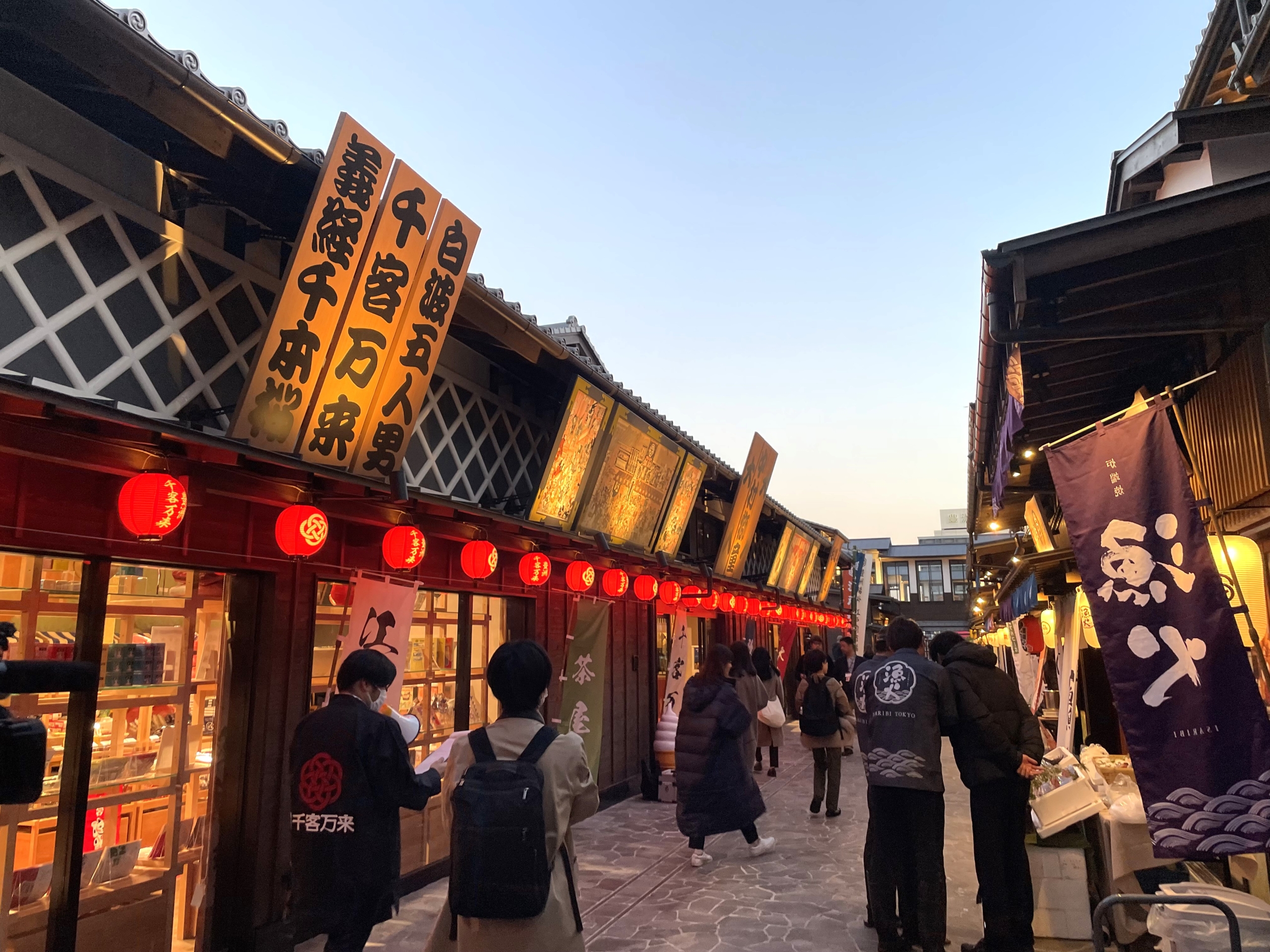
As someone who has always been fascinated by Japan’s rich culture and vibrant food scene, the opening of the new facility, 千客万来 (Senkyakubanrai), piqued my interest. Nestled next to the Toyosu Market, this place promised an immersive experience into the Edo-period streetscape, complete with fresh food offerings and a unique atmosphere.
The Allure of Senkyakubanrai

Upon my visit, the energy of the place was palpable. The reimagined Edo streets buzzed with activity, and the scent of fresh seafood wafted through the air. It was like stepping back in time, with modern amenities enhancing the experience. The facility boasts over 100 shops, a food plaza, and even a hot spring section1.
The Culinary Experience

The food, especially the seafood, was a feast for the senses. The freshness was unparalleled, likely due to the proximity to the Toyosu Market. However, the prices were a talking point among many visitors. The term インバウンド丼 (Inbound Donburi) has been coined by Japanese netizens to describe the premium-priced seafood bowls targeted at foreign tourists2. These bowls are a work of art, laden with tuna, salmon roe, sea urchin, and more. While they are a treat, the price tag of 6980 yen can be a bit steep, especially when compared to similar offerings outside tourist hotspots3.
Seafood Pricing: Senkyakubanrai vs. Local Eateries

When it comes to seafood pricing, Senkyakubanrai is on the higher end of the spectrum. For instance, the Inbound Donburi at Senkyakubanrai can set you back 6980 yen, which is quite a sum for a single meal. In contrast, local restaurants outside of this tourist-centric area offer more wallet-friendly options. A similar seafood bowl in a local eatery might cost around 3000 to 4000 yen, providing a more affordable yet still delicious experience12.

It’s important to note that while the prices at Senkyakubanrai reflect the premium experience and setting, they are not the norm across Japan. Many local spots pride themselves on serving fresh, high-quality seafood at prices that are more in tune with everyday dining budgets. For example, a hearty serving of sashimi at a neighborhood restaurant could be half the price of what you’d pay at Senkyakubanrai, without compromising on the freshness or the variety of the catch2.
From my personal experience, while the allure of dining in an Edo-period ambiance is tempting, savvy travelers might prefer the authenticity and value found in smaller, local establishments. There’s a certain charm to discovering a hidden gem where the seafood is just as fresh, the atmosphere is cozy, and the bill doesn’t leave you shell-shocked.
Personal Reflections

Personally, I found the juxtaposition of old-world charm and modern luxury intriguing. The Inbound Donburi, while expensive, was a culinary adventure. It’s a concept that caters to the global palate with a local twist. But I couldn’t help but compare it to the more reasonably priced, yet equally delicious, seafood donburi I enjoyed at a small family-run shop in Tsukiji.
Final Thoughts
Senkyakubanrai is a testament to Tokyo’s evolving landscape, blending tradition with tourism. It’s a place that’s definitely worth visiting for its unique ambiance and culinary delights. But when it comes to the Inbound Donburi, it’s a splurge that’s best appreciated for its context within the bustling Japanese food scene.
For those planning a trip to Japan, Senkyakubanrai offers a slice of history with a side of luxury. Just be prepared for the premium prices, and remember that there are always more budget-friendly options to explore in this gastronomic paradise.


Leave a Reply